Start with the person
See what matters before it becomes obvious.
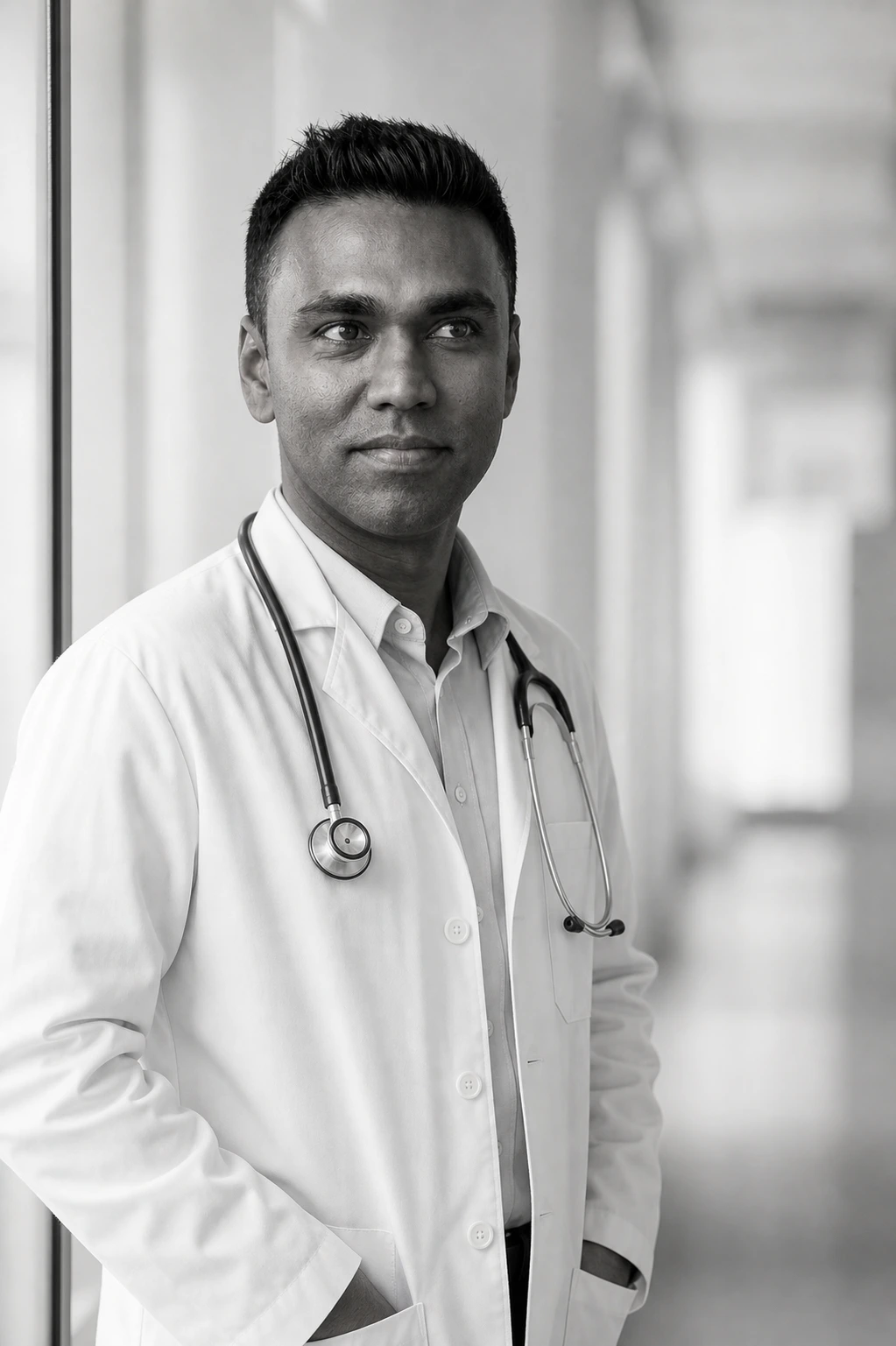
Medicine taught me what it means to meet people at their most vulnerable—and how much can depend on recognizing the right moment to act.
 Let's talk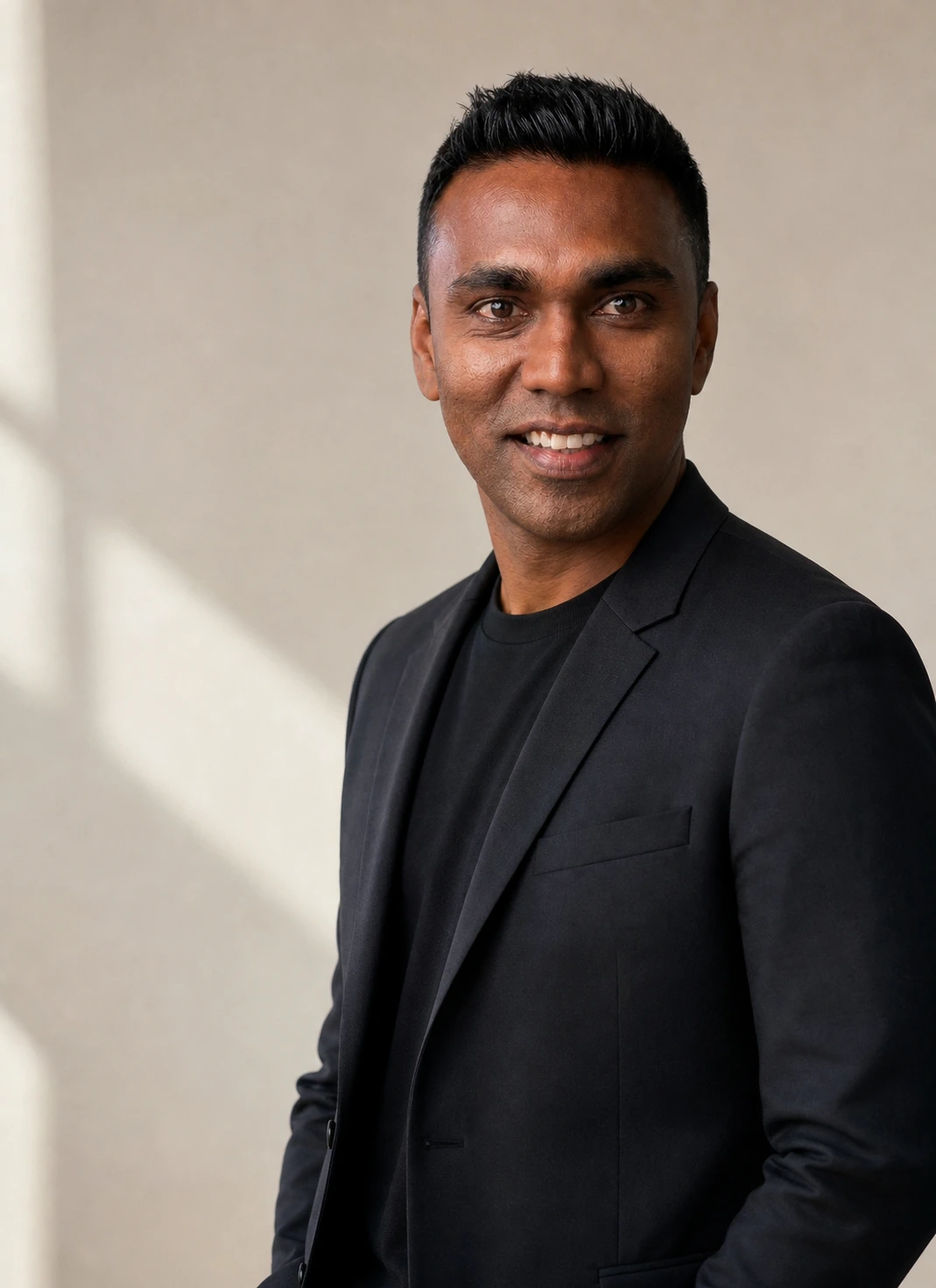
Doctor×Engineer×Entrepreneur
Building technology that positively impacts billions of lives.
I see human problems as a doctor, build solutions as an engineer, and scale them as an entrepreneur.
Start with the person
Medicine taught me what it means to meet people at their most vulnerable—and how much can depend on recognizing the right moment to act.
The doctor remains
Medicine taught me what it means to meet people at their most vulnerable—and how much can depend on recognizing the right moment to act.
The engineer answers
I build AI, algorithms and new technologies from the ground up to solve real clinical problems.
The entrepreneur scales
I didn’t become an entrepreneur to run companies. I became one because technology that stays inside a laboratory cannot change enough lives.
Impact at scale needs a third discipline: building teams, companies, products and markets.
IntelligenceProductScaleImpact
The story
Before medicine, startups or healthcare AI, I was curious about how things worked. That curiosity became a desire to understand problems earlier, build what was missing, and use technology to change outcomes.
Chapter 01
Curiosity
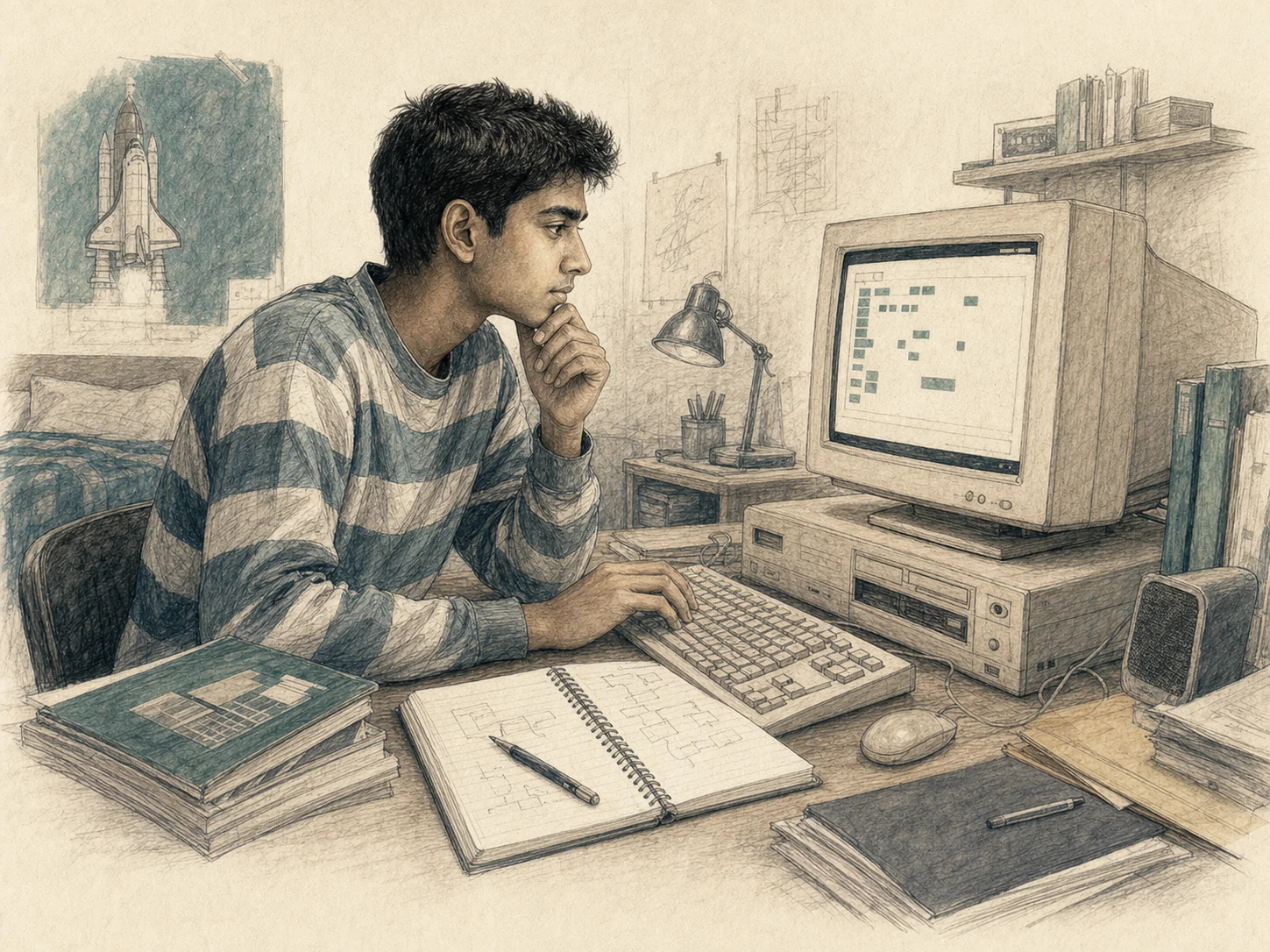
At around twelve, I was already experimenting with DOS, QBasic and early software.
I was not trying to start a company — I was building things to understand how computers and systems worked. That became a habit: question it, understand the system beneath it, build what is missing. Looking back, the engineer was already there.
Question it. Understand it. Build it.
Chapter 02
Medicine
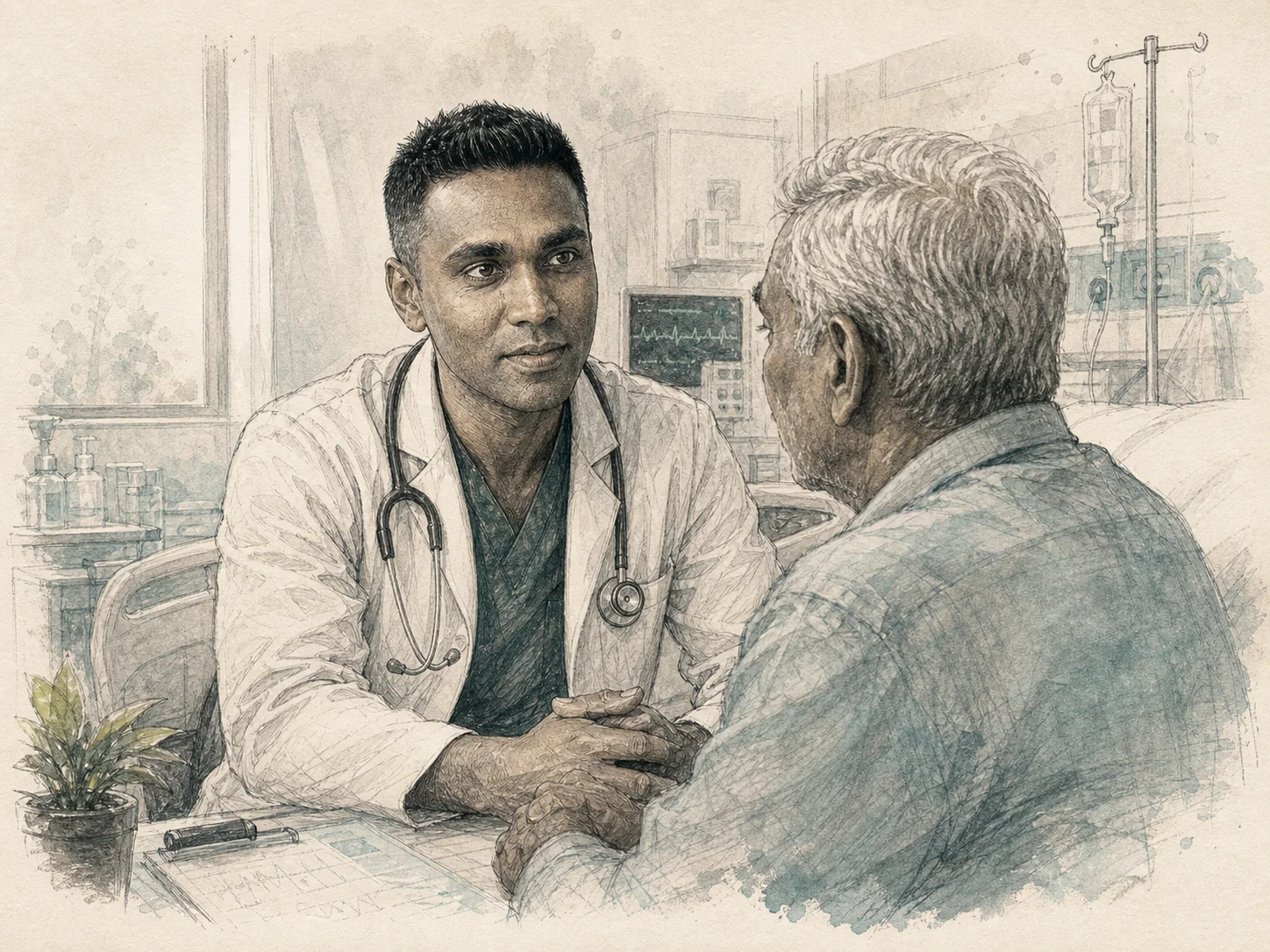
I became an emergency physician and eventually helped lead paediatric emergency care at Sengkang General Hospital.
Emergency medicine gave me a front-row seat to humanity at its most vulnerable — fear, uncertainty, illness, recovery and sometimes tragedy.
It also taught me something that would shape everything I built later:
The earlier we understand a problem, the more we can change its outcome.
Chapter 03
The engineer returns
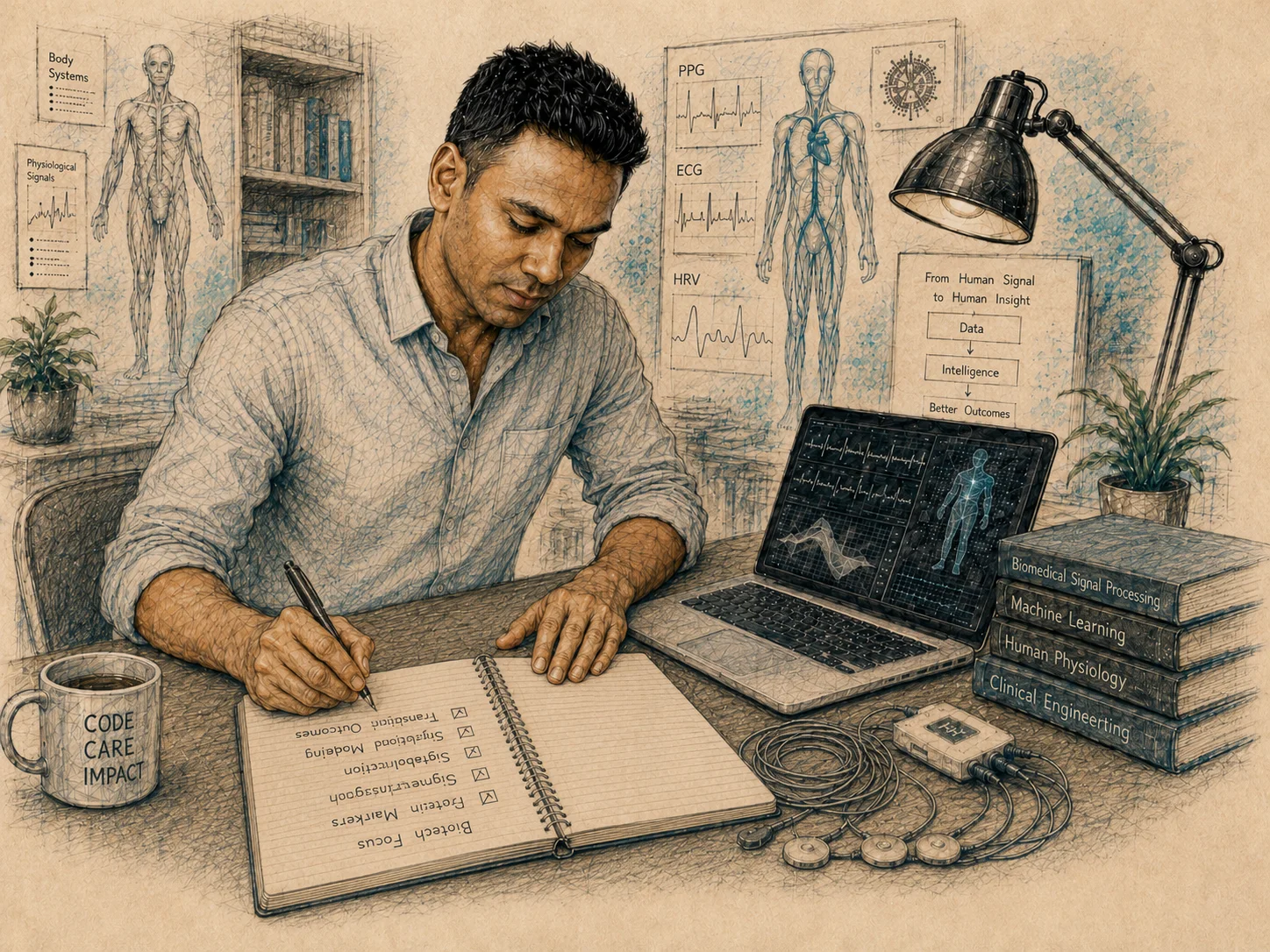
Medicine showed me the problems. Engineering made me ask: what if the tool we need doesn’t exist yet?
So I started building — algorithms, computer vision and AI systems designed around real clinical needs. Some became products. Some became patents.
Over time, medicine and engineering became one way of working: understand the problem, build what’s missing, act earlier.
Human signal → Data → Intelligence
Chapter 04
HeHealth
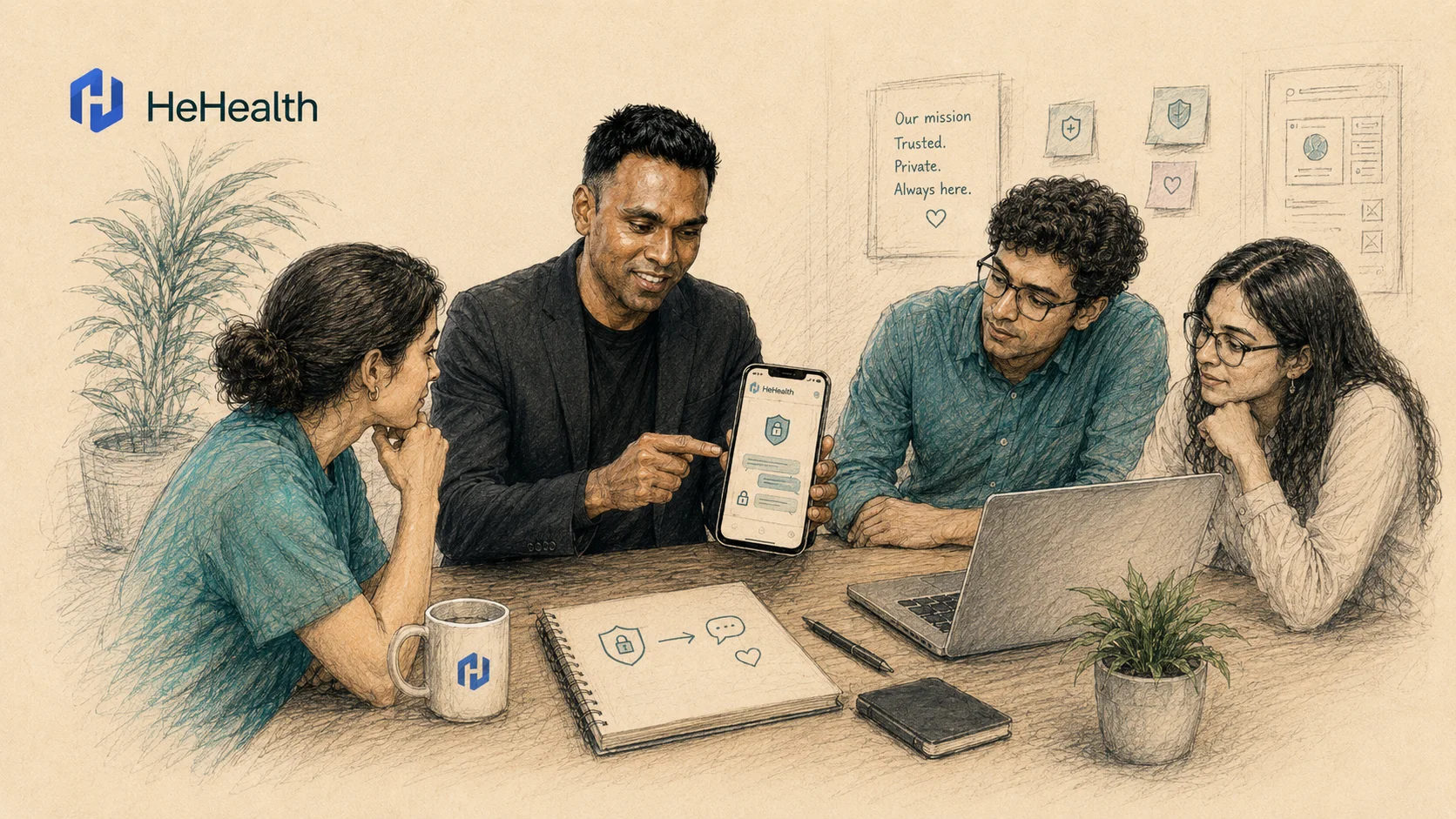
When a close friend nearly took his own life after a frightening internet search turned a simple penis rash into “HIV,” I built a computer-vision app to give him a better answer.
That app became HeHealth — and went on to help thousands facing the same fear, stigma, and uncertainty. The idea sounded crazy. But one of healthcare’s most stigmatized problems — sexually transmitted infections — needed a solution bold enough to match it.
HeHealth put my work on the global stage — featured by Forbes, the Los Angeles Times, The Tonight Show with Jimmy Fallon, and The Late Show with Stephen Colbert — with the work recognized by the WHO, CDC, and governments around the world. I also open-sourced much of it so more people could benefit.
When stigma keeps people from seeking help, technology should bring the help to them.Explore HeHealth
Chapter 05
The hard chapter
In 2024, HeHealth’s sister product, Calmara, led by its co-founder, Lu MeiLing, pushed the company into unfamiliar territory. Its launch drew intense criticism around privacy, safety and consent. Soon after, the U.S. Federal Trade Commission raised concerns.
For a tiny startup trying to solve one of healthcare’s most difficult and stigmatized problems, this was a defining moment.
I chose to face it myself. Without hiding behind lawyers or PR teams, I engaged directly with the FTC, explained the technology and my intentions, listened to the concerns, and took responsibility for fixing what needed to change.
HeHealth ultimately discontinued its consumer STI-detection products, addressed the FTC’s concerns, and the FTC closed the investigation without imposing any fines, as HeHealth had not breached any laws.
But the cost was real. The company went through severe financial pressure. People left. Momentum disappeared.
The mission didn’t.
Building something new takes conviction. Knowing when to listen, change and keep going takes even more.
Chapter 06
The lesson
HeHealth fundamentally changed the way I build. Speed, ambition and technical capability were no longer enough. In healthcare, trust, responsibility and resilience matter just as much as innovation.
I moved back to Singapore from Silicon Valley. The chapter came at a personal cost — I put in my savings and eventually sold my home to keep moving forward.
Life around me changed. So did the people around me. Some left when things became difficult including my co-founder. Others stayed. I learned who to trust, how to choose a team, and what kind of founder I wanted to become.
These were lessons no accelerator, business school or YC playbook could have taught me. But one thing never changed: The mission.
As NVIDIA founder Jensen Huang once told Stanford students
“I wish upon you ample doses of pain and suffering.”
For me, that pain became part of the education.
Chapter 07
Building differently
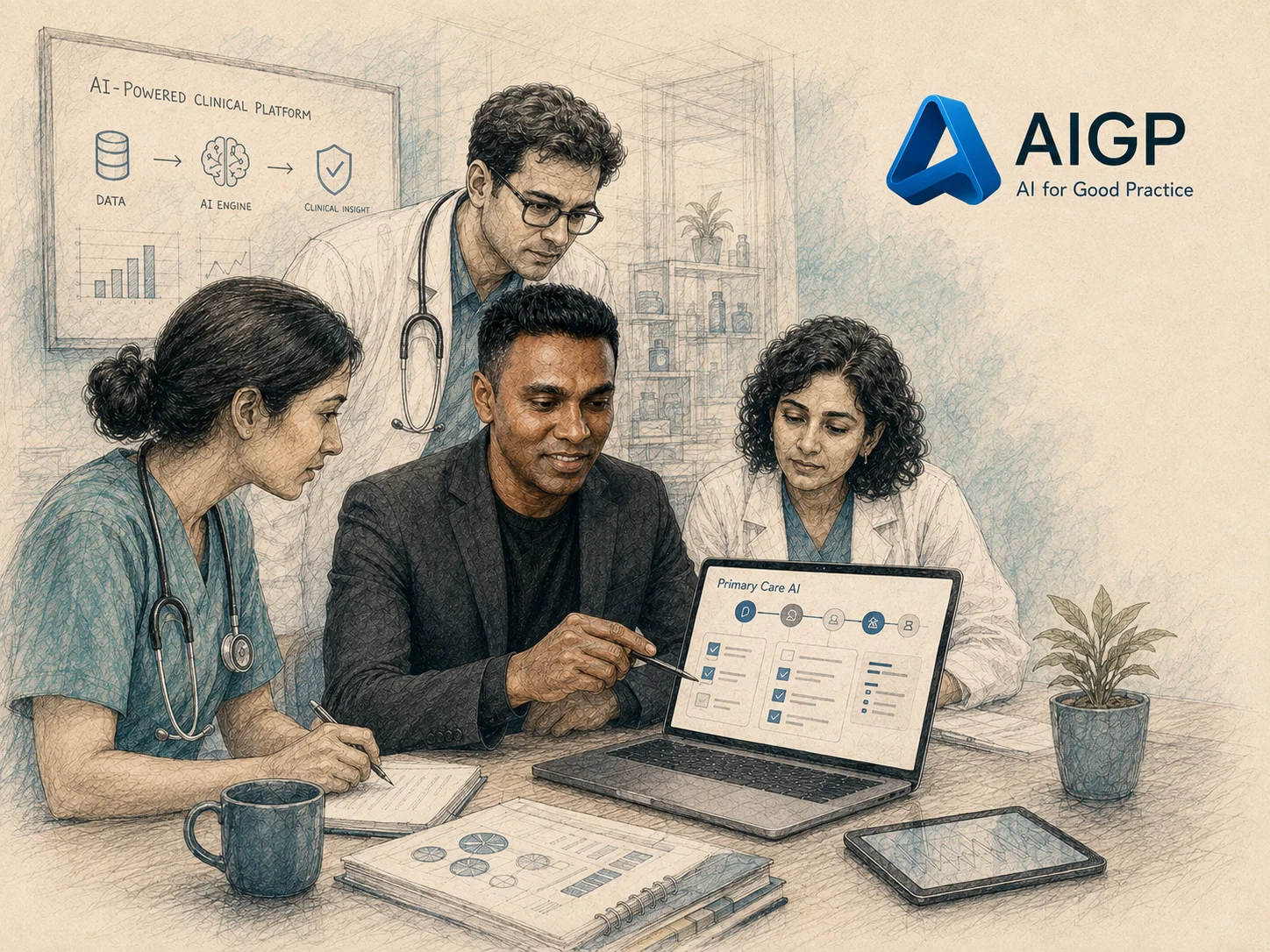
After HeHealth, I wanted to prove something to myself: could ambitious healthcare AI be built with regulation, security and institutional requirements at the centre — from day one?
That became AIGP Health — a GenAI-based platform built around the clinical journey, designed from day one to be evidence-based, secure and auditable. Together with my team, I took AIGP Health through HSA regulatory approval and built it into a revenue-generating healthcare technology company in Singapore.
But my mission was always bigger than one small country.
When the time was right, I handed responsibility to the team that could carry AIGP Health forward and exited to pursue the next problem.
Now, with harder lessons, deeper conviction and a very different understanding of what it takes to build in healthcare, I am ready for the next big chapter — back in Silicon Valley.
Guardrails are not a brake on useful innovation. They are part of the foundation.Explore AIGP Health
Chapter 08
The next chapter · Hii.Health
For years, we have looked at the body through many of the same signals — heart rate, blood pressure, oxygen saturation, sleep and activity.
But everything around those signals has changed.
So I began asking a different question:
If the technology has changed this much, why hasn’t the way we understand our physiology changed with it?
That question became Hii.Health.
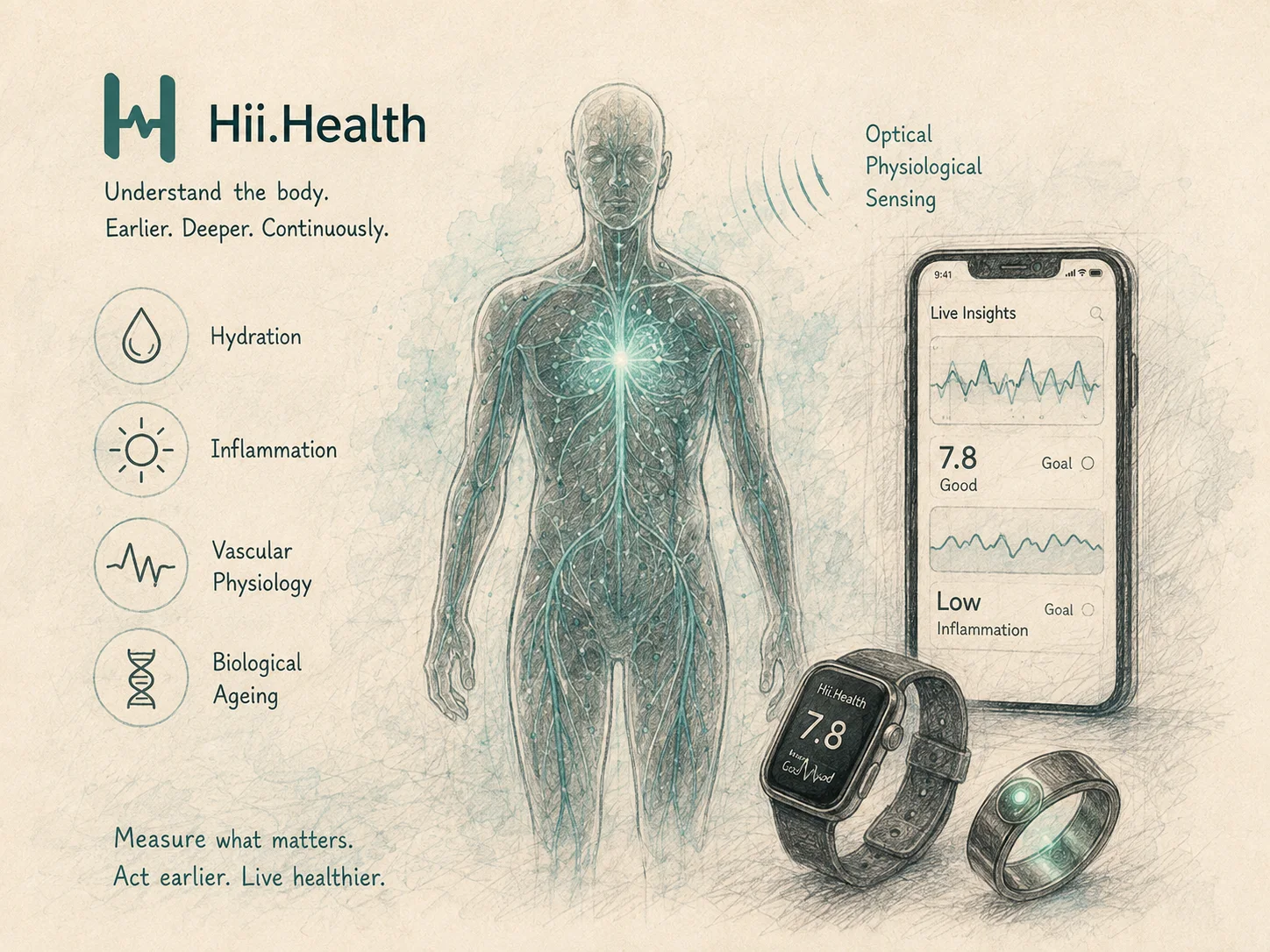
Today, I’m exploring how AI, optical sensing, smartphones and wearables could reveal a new generation of non-invasive physiological biomarkers — from hydration and inflammation to vascular physiology, infectious-disease complications and biological ageing.
The ambition is not simply to measure more.
It is to understand what is happening inside the body earlier.
The bigger thesis
AI is rapidly learning to understand what we say about our health — our symptoms, histories and medical records. But there is another layer still waiting to be understood:
The physiology itself. Continuously. Personally. Non-invasively.
That is the layer I believe comes next.
Beyond HR. Beyond BP. Beyond SpO₂.Explore Hii.Health
One journey · three chapters
Each chapter carries the lessons of the one before it — from accessible screening, to clinical infrastructure, to continuous physiology.
Venture timeline

HeHealth began with a difficult question: could computer vision help people seek sexual-health information earlier and with less fear?
Evidence
No decorative counters. Every selected item leads to its original record.
Distinguishing a Disease State from a Non-Disease State in an Image
US20240112329A1Still practising
Emergency medicine shaped how I think.
When someone arrives frightened, sick or deteriorating, the human comes first. That principle has stayed with me through everything I build.
Clinical journey
I trained in emergency medicine in Singapore and became a Consultant Emergency Physician, later leading paediatric emergency care at Sengkang General Hospital.
Even while building companies, I still practise medicine on weekends — not for another title, but because treating patients keeps me connected to why I build in the first place.
Technology should never make medicine less human.
It should help us see the human earlier.
The mission
Build useful technology. Keep the human at the centre. Make the work strong enough to travel.
Start a conversation